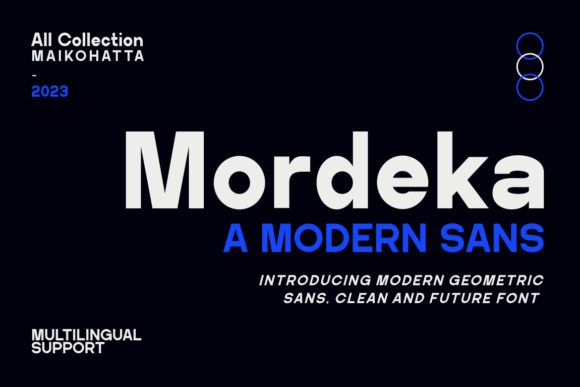
Mordeka: A Bold Serif Font for Handmade Labels, Printables, and Product Packaging
If you run a small shop, design printables, or create physical products like labels, stickers, and signs, you know the right typeface can make or break a design. I’ve spent countless hours testing fonts for my own handmade business, and when I came across Mordeka, I knew I had found something special. This bold and assertive serif font brings a level of confidence and charm that instantly elevates packaging, stationery, and digital templates. It’s not just another font—it’s a design asset that gives your products a distinct, professional voice.
What Makes Mordeka Stand Out in a Craft Project
Mordeka is a serif font with a strong personality. Its thick strokes, confident letterforms, and slight geometric influence make it feel both timeless and contemporary. Unlike delicate serifs that can get lost on small labels or in cut files, Mordeka holds its own. The weight is substantial without being heavy, and the spacing is generous enough to keep text readable even at smaller sizes. For crafters, this means you can use it on everything from a tiny candle label to a large welcome sign, and it will still look intentional and polished. The font exudes a sense of authority and warmth—perfect for products that need to convey quality, tradition, or a touch of handcrafted elegance.
Practical Uses for Mordeka in Your Handmade Business
One of the first things I tested with Mordeka was product labels. I make small-batch candles and bath salts, and the font immediately gave my jars a boutique feel. The bold serifs read clearly on kraft paper, matte vinyl, and even clear labels. For Etsy sellers who create sticker sheets, Mordeka works beautifully for shop names, product titles, and decorative phrases. Because the font is assertive, it doesn’t need a lot of extra embellishment—just a clean layout and maybe a simple accent line. I also use it for greeting cards, especially for sentiments like “Happy Birthday” or “Thank You,” where the bold lettering adds a sense of celebration without looking busy.
Invitation designers will appreciate how Mordeka handles names and event details. It’s ideal for wedding stationery, bridal shower invites, and save-the-dates. The font can be paired with a delicate script or handwritten font to create contrast, while still keeping the main information easy to read. For barn wedding themes, farmhouse-style invites, or rustic celebrations, Mordeka fits right in. It also works well for holiday product packaging—think Christmas gift tags, treat box labels, and seasonal banners. The font’s versatility means you can use it year-round, across multiple product lines.
- Candle labels and soap packaging – Bold enough to read at a glance, elegant enough for gift sets.
- Wedding and event stationery – Names, dates, and venue details look prominent and refined.
- Wall art and printable quotes – Short phrases become focal points in farmhouse or modern decor.
- Planner pages and digital templates – Headers and section titles stay clear and organized.
- Mugs, shirts, and tote bags – The thick strokes hold up well in heat transfer and screen printing.
- Boutique tags and hang tags – Adds a professional, curated feel to clothing and accessories.
How Mordeka Affects Product Presentation and Perceived Quality
The font you choose directly influences how customers perceive your products. A thin, fragile font might suggest delicacy, but it can also feel cheap if it’s hard to read. Mordeka, with its assertive serifs, communicates durability and thoughtfulness. When I switched my tea packaging to a design using Mordeka, I noticed customers commenting on how “professional” and “high-end” the bags looked. The font creates a sense of consistency across your brand, whether you’re selling physical goods or digital downloads. For brand identity purposes, Mordeka works well as a primary font for logos, shop names, and social media graphics. Its strong presence helps with customer recognition—people remember a bold, distinctive typeface.
For printable product creators, the font’s readability is a huge advantage. When customers purchase your templates, they expect the text to be easy to edit and the final print to look exactly like the preview. Mordeka maintains its integrity in PDFs, JPEGs, and SVG files. I’ve used it in Canva and Adobe Illustrator without any issues, and the file formats typically include .otf and .ttf, which work seamlessly across both Windows and Mac. If you’re creating SVGs for Cricut or Silhouette, the bold strokes cut cleanly, even on intricate designs. Just be sure to check the font’s stroke thickness when sizing down for small stickers—Mordeka holds up well, but as with any font, test a sample before cutting a large batch.
Readability and Practical Advice for Cutting Machines and Small Products
I’ve tested Mordeka on a Cricut Maker for vinyl decals and iron-on transfers. The font cuts cleanly because the letterforms are well-defined and the serifs are thick enough to avoid tearing. For small product labels (under two inches wide), I recommend keeping the text to short phrases—one to three words—so the serifs remain distinct. For longer text, like ingredient lists or product descriptions, you may want to pair Mordeka with a simpler sans serif font to ensure readability at tiny sizes. The font’s personality shines brightest in display use, so save it for titles, names, and decorative wording rather than body copy. That said, if you’re creating a sign or a wall art piece, Mordeka can handle a sentence or two if the layout is spacious.
For mockup previews, the font photographs well in both digital and physical settings. Its bold weight helps it stand out in product photography, especially when photographed from a slight distance. I’ve used it on kraft paper, white cardstock, and even wood signs, and it always looks intentional. If you’re selling digital printables, make sure to embed the font in your PDF or outline the text so customers don’t need to install it themselves. Many crafters appreciate when the font is already included in the template, but if you’re selling the design as a finished piece, embedding is the safest route.
Font Pairing Ideas for Crafters and Product Creators
Mordeka is a strong serif font, so it pairs well with a clean sans serif for contrast. For example, using Mordeka for a shop name and a simple sans serif like Montserrat or Open Sans for product details creates a balanced, modern look. If you want a more organic feel, pair Mordeka with a handwritten script font. The bold serifs anchor the script, preventing it from feeling too floaty. Handwritten fonts work especially well for accent words like “handmade” or “small batch.” For a vintage or rustic vibe, try pairing Mordeka with a distressed serif or a slab serif. The key is to keep the pairing simple—let Mordeka be the star, and use the secondary font for supporting text.
- Mordeka + clean sans serif – Perfect for labels, tags, and packaging where readability is key.
- Mordeka + handwritten script – Great for wedding stationery, cards, and decorative signs.
- Mordeka + simple serif – Works well for book covers, wall art, and formal invitations.
- Mordeka + bold display font – Use for headlines and banners where you want extra impact.
When testing pairings, always print a sample or view it at actual product size. What looks good on screen might feel crowded on a small tag. I’ve found that Mordeka works best when the secondary font is noticeably lighter in weight, so the contrast is clear. Avoid pairing two bold fonts together, as they can compete for attention.
Included Styles, Alternates, and Multi-Language Support
Mordeka comes with a range of features that make it useful for product design. Depending on the version you purchase, you may have access to ligatures, stylistic alternates, and swashes. These extras are great for adding a custom touch to invitations, monograms, or logo designs. The alternates can help you create a unique look without needing to modify the font manually. If you work with international customers or create products for multilingual audiences, check whether Mordeka includes extended Latin characters, accents, and punctuation. Many premium serif fonts offer this support, which is essential for accurate spelling in languages like French, Spanish, German, and Portuguese. Having multi-language support means you can sell your designs to a broader audience without worrying about missing characters.
Commercial Licensing and Selling Products with Mordeka
Before you start using Mordeka in your shop, make sure you understand the commercial font licensing. Most premium fonts, including this one, require a separate license for commercial use. This typically covers physical products like labels, packaging, mugs, and shirts, as well as digital downloads such as templates, printables, and SVGs. If you plan to sell finished designs on Etsy, Amazon, or your own website, you’ll need a license that allows for product sales. Some licenses also cover client work, meaning you can use the font in designs for customers. Always read the terms carefully—some licenses limit the number of sales or require an extended license for large-scale production. For most small handmade businesses, a standard commercial license will be sufficient. If you’re creating templates or digital files that include the font, you may need to outline the text or embed the font, depending on the license terms. It’s always better to invest in the proper license upfront than to risk having your products removed or facing legal issues later.
Mordeka is a font that will serve you well across many projects. From the first label to the hundredth invitation, its bold and assertive style gives your work a consistent, professional quality. I’ve used it in my own shop for over a year, and it’s become one of my go-to typefaces for products that need to stand out. Whether you’re designing candle labels, wedding stationery, or digital wall art, Mordeka brings a sense of craft and care that your customers will notice. Test it on a few of your best-selling items, and see how it transforms your product presentation.